
10년간의 우주 혁신: 룩셈부르크의 대담한 승부수
룩셈부르크가 2016년에 SpaceResources.lu 이니셔티브를 시작했을 당시, 달이나 소행성에서 발견되는 자원을 미래 우주 연료로 사용하는 아이디어는 우주 정책의 변방에 속했다. SpaceResources.lu 를 출범한지 10년이 지난 지금, 이 아이디어는 현재 세계 주요 우주 기관들과 빠르게 성장하는 민간 기업들의 전략에서 핵심적인 위치에 있다. 또한, 룩셈부르크는 우주 혁신 분야에서 가장 유망한 영역을 선도하는 위치에 서게 되었다.
When Luxembourg launched the SpaceResources.lu initiative in 2016, the idea of using resources found on the Moon or asteroids to fuel future missions sat firmly at the edge of mainstream space policy. Ten years on, that same topic is central to the strategies of the world's leading space agencies and a fast-growing community of private players. The country's willingness to take an early, evidence-based bet on a long-horizon opportunity has placed it at the forefront of one of the most promising frontiers in space innovation.
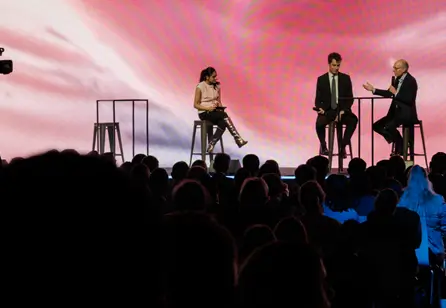
This momentum was on full display at Space Resources Week 2026, which marked the 10th anniversary of SpaceResources.lu and the 5th anniversary of the European Space Resources Innovation Centre (ESRIC). The event brought together more than 490 participants from 35 countries, making it the largest edition to date and underlining Luxembourg's role as a global convening hub for the sector.
A pioneering approach that shaped a global agenda
Luxembourg was among the first countries to back space resources with a clear regulatory framework, dedicated public funding and long-term institutional support. That early commitment helped move the topic from a specialist research interest to a strategic priority for major international players.
By putting in place a clear regulatory framework and actively supporting research as well as partnerships, we are creating a solid ecosystem conducive to innovation.
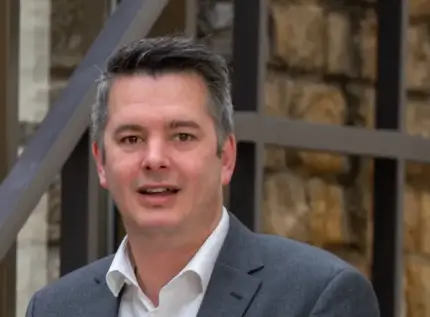
Minister of the Economy Lex Delles
"Space Resources Week fully embodies Luxembourg's ambition to position itself at the forefront of a pioneering and sustainable space sector," said the Minister of the Economy, Lex Delles. "By putting in place a clear regulatory framework and actively supporting research as well as partnerships, we are creating a solid ecosystem conducive to innovation. ESRIC and the SpaceResources.lu initiative play a central role in this dynamic. On the occasion of their respective 5th and 10th anniversaries, I would like to salute their constant commitment and their decisive contribution to this vision."
International missions are now following the same logic. China's Chang'e 7 (2026) and the Indo-Japanese LUPEX mission (2028) are designed to harvest lunar ice for water and rocket fuel, while the European Space Agency (ESA) is contributing through its Moonlight lunar connectivity initiative and the PROSPECT drill to analyse polar soil. By using lunar materials for oxygen and construction, missions such as NASA's Artemis III aim to reduce the cost of deep-space exploration and turn the Moon into a sustainable gateway to Mars.
A unique ecosystem built at home
Luxembourg's early move was paired with sustained investment in the local ecosystem. ESRIC, founded by the Ministry of the Economy / Luxembourg Space Agency (LSA) and the Luxembourg Institute of Science and Technology (LIST) in strategic partnership with ESA, combines research, infrastructure and business support in one place dedicated to space resources.
The Space Resources Week highlights the central position that Luxembourg holds in this topic.
Kathryn Hadler, ESRIC
That structure has helped translate Luxembourg's policy ambition into concrete capabilities. The ESRIC Start-up Support Programme (SSP) and the Space Resources Accelerator, supported by ESA, are helping early-stage ventures develop technologies with both space and terrestrial applications, bridging long-term exploration goals with near-term commercial opportunities.
"We were delighted once again to bring the global space resources community to Luxembourg," said Kathryn Hadler, Director of ESRIC, during the Space Resources Week. "With over 490 people registered from 35 countries, this was our largest event yet, and, on the tenth anniversary of the SpaceResources.lu initiative and 5 years after ESRIC was launched, it highlights the central position that Luxembourg holds in this topic."
From space to Earth: innovation with wider impact
Thinking out of the box about space is also producing tangible benefits closer to home. Research into space resource utilisation is feeding into more sustainable approaches in industries such as mining, including efforts to reduce waste and develop water-free processing techniques.
This dual benefit, advancing exploration while strengthening sustainability on Earth, sits at the heart of Luxembourg's approach: backing bold ideas early, building the institutions to support them and ensuring the resulting innovation serves both space ambitions and the wider economy.
Source: https://luxembourgtradeandinvest.com/news/10-years-of-space-innovation-luxembourg-s-bold-bet