SCynergy 2026: AI, quantum and supercomputing in action
700+ participants and 80 speakers came together at SCynergy 2026 in Luxembourg to explore AI, quantum, supercomputing and Europe's deep tech future.
 Andrea Kuhfuss
24/04/2026
SCynergy 2026, held on 14 and 15 April at the Luxembourg Chamber of Commerce, brought together more than 700 participants and over 80 speakers from academia, industry and government. The fully booked conference confirmed Luxembourg’s position as a meeting point where great minds in artificial intelligence, quantum technologies and high‑performance computing converge to deliver real-world impact.
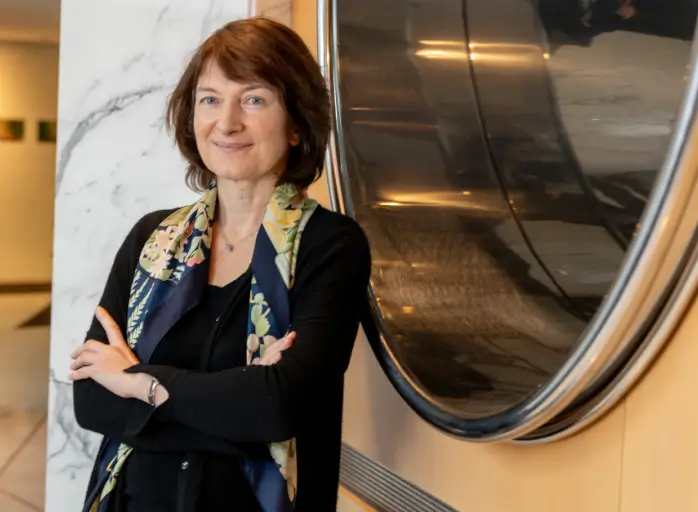
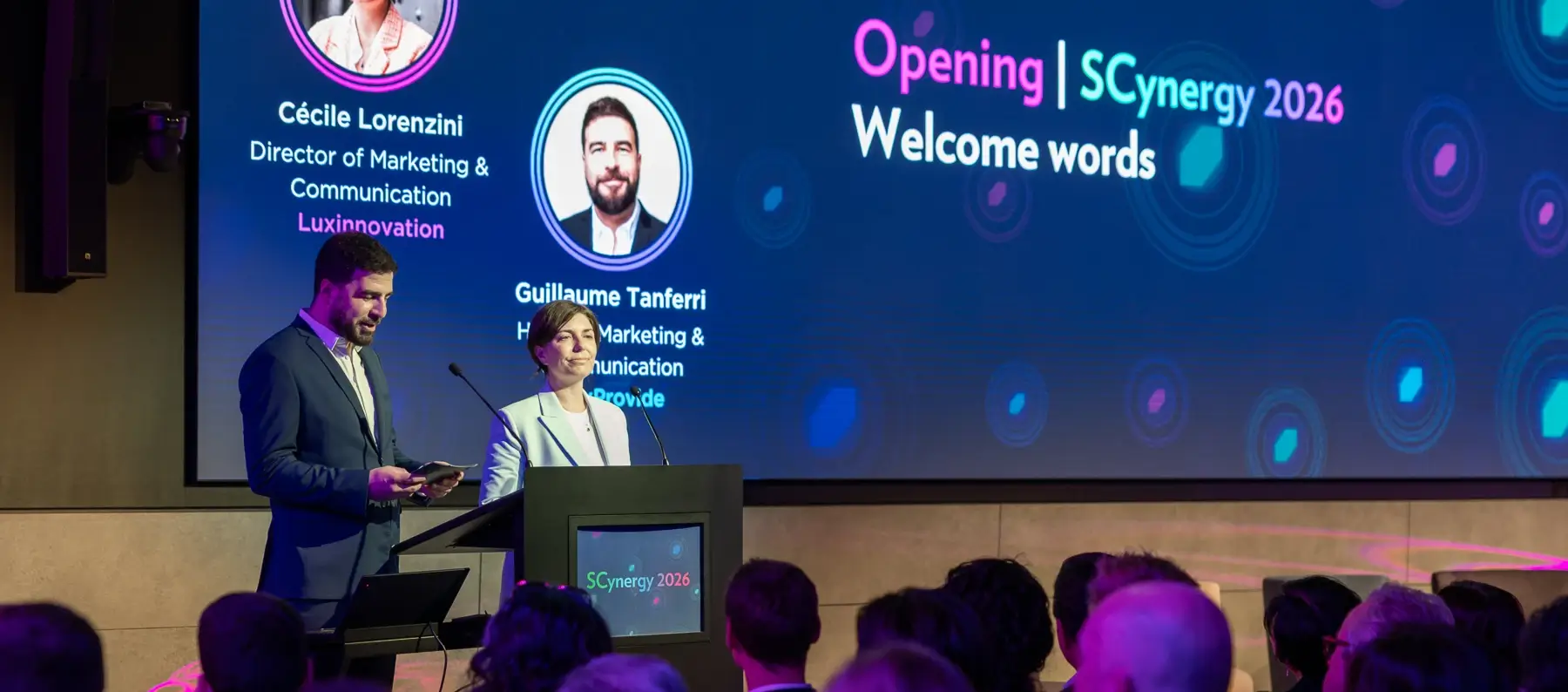
Opening the event, Professor Djamila Aouada from the Interdisciplinary Centre for Security, Reliability and Trust at the University of Luxembourg set a clear tone. “No model, no matter how powerful, outperforms the team behind it,” she said, stressing that human expertise and values remain central as AI accelerates. Her closing question, “Will we shape AI or be shaped by it?”, echoed throughout the two days.
Digital sovereignty and trust: Luxembourg's AI priorities
In his keynote, Luc Frieden, Prime Minister of Luxembourg, framed the country’s ambitions around digital sovereignty based on data, artificial intelligence and quantum technologies, linking competitiveness to collaboration and pace.
“The future will not belong to the biggest players, but to the fastest movers and I want Luxembourg to be one of the fastest movers.” Luc Frieden
Speakers repeatedly stressed that speed must go hand in hand with trust. Discussions on cybersecurity, finance and space data highlighted that transparent, controllable and reliable systems are essential for adoption at scale. Addressing digital sovereignty from a human angle, Isabelle Galy, Vice-President of ClusterIA, warned that risks often start inside organisations. “We delegate a lot of tasks to AI and the judgement might slip away from our own decision making,” she noted, calling for stronger awareness and governance around everyday AI use in companies.
Luxembourg as Europe's hub for AI, quantum and supercomputing
SCynergy’s programme reflected a shared understanding that AI, quantum and supercomputing no longer evolve in isolation. Across keynotes, panels and the packed hands‑on sessions with Luxembourg’s supercomputer MeluXina, participants explored how their combined use is already transforming cybersecurity, the green economy, healthtech, finance, space and the startup ecosystem.
Quantum technologies featured prominently, with Fanny Bouton demystifying a field often seen as distant. She reminded the audience that the quantum era is not something to wait for, but something to build, encouraging organisations to take first steps as Luxembourg advances its National Quantum Strategy and integrates MeluXina‑Q into its supercomputing infrastructure.
Opening the second day, Stéphanie Obertin, Minister for Digitalisation, emphasised that infrastructure and advanced technologies only deliver value when they are used in practice. “What matters now is turning collaboration into measurable impact, for companies, public administrations and society,” she said. Her message reinforced a recurring theme of the conference, moving from vision to execution across sectors.
From deeptech infrastructure to real-world impact
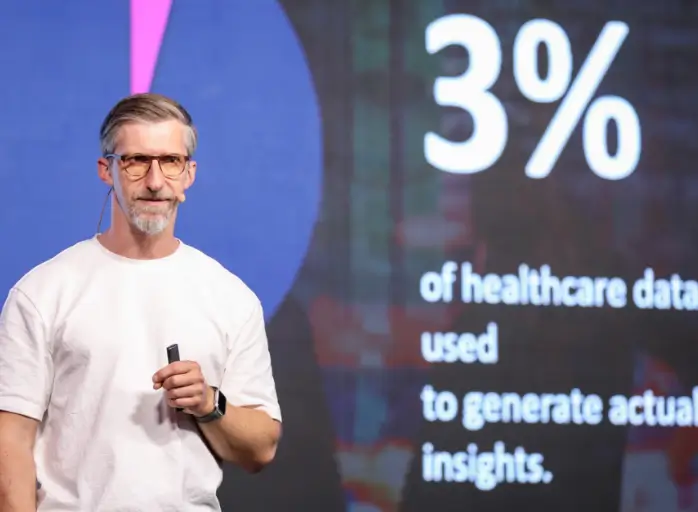
Sessions across industry and startups showed how advanced infrastructure translates into practice, from AI‑driven financial supervision to energy system optimisation and industrial efficiency. The human dimension remained central. Neuroscientist Sébastien Bohler shifted the focus from technology to behaviour. “The greatest challenge of innovation lies not in our labs, but in our minds,” he said, pointing to cognitive habits that slow transformation.
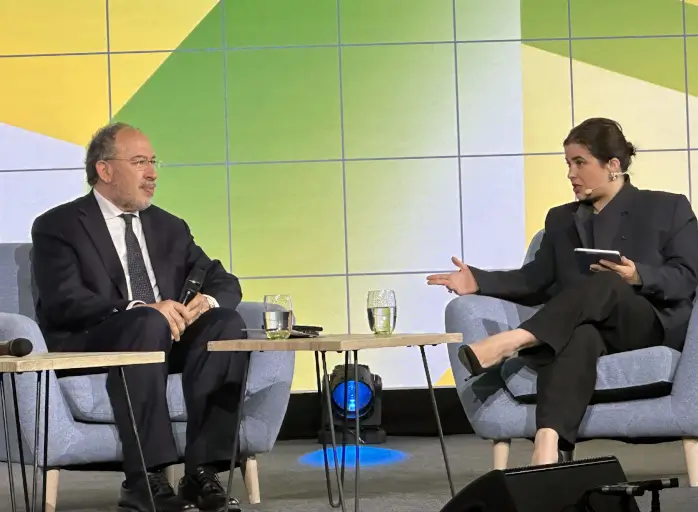
A cybersecurity fireside chat brought a generational perspective, pairing Professor Vincent Lenders from the University of Luxembourg with student Polina Tapal. Reflecting on learning in the age of AI, Ms Tapal observed that “AI is a very good learning tool, but it is also a very good way to avoid learning entirely,” underlining the need to keep skills, critical thinking and responsibility at the core.
The conference concluded with a keynote by Dr Lilit Axner from the EuroHPC Joint Undertaking, who captured the broader European ambition. Calling to “foster European innovation, assure European sovereignty and support sustainability in Europe”, she urged participants to turn two days of exchange into concrete projects through the Luxembourg AI Factories and European supercomputers.
SCynergy 2026 demonstrated that Europe’s deep tech future depends on more than technology alone. By combining infrastructure, talent and trust, Luxembourg continues to position itself as a place where ideas move quickly into action. For more impressions from the event visit the photo gallery.