

Tech diplomacy: how can Europe compete in the global AI race
Tech diplomacy is reshaping where companies invest in AI. Experts explain why Europe's approach to regulation and sovereignty matters for business.
 Emilio Naud
22/07/2026
For international companies building or deploying AI, the choice of European base is increasingly shaped by policy, not just proximity. Regulation, data sovereignty and access to public-sector partnerships now weigh as heavily as talent and infrastructure. A panel of four experts recently explored how a new discipline – 'tech diplomacy' – is defining the rules of this competition, and how Luxembourg is translating that framework into practical support for businesses entering the European AI market.
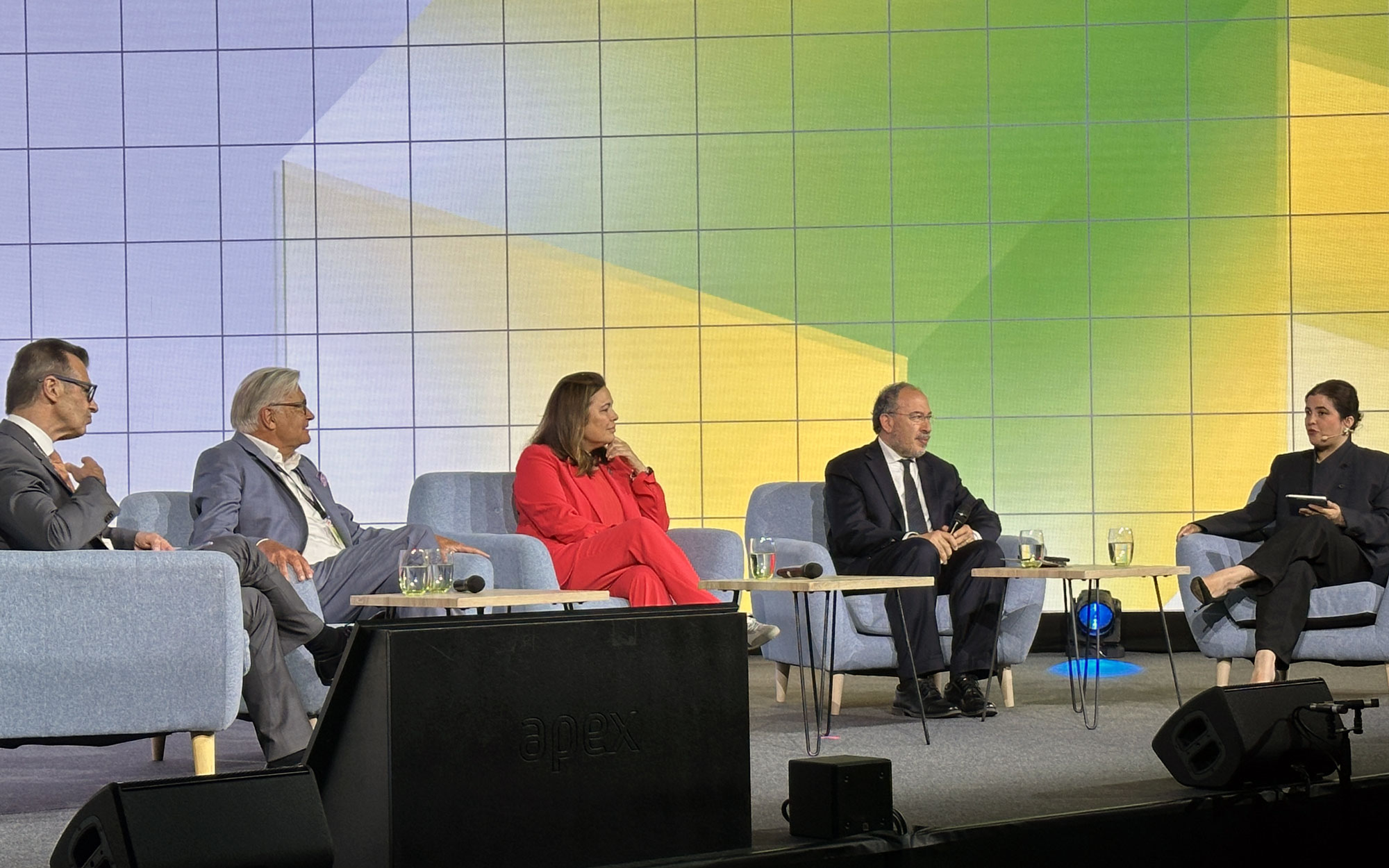
Speaking at a conference during Nexus (a major tech event) on 10 June, panellists argued that as technology shapes international relations, a new approach to governance is essential. They explored how nations can balance regulation, innovation and sovereignty in an increasingly digital world, offering a strong vision for how Luxembourg can act as a proactive hub in this new reality.
What is tech diplomacy and why does it matter for AI governance?
The discussion highlighted that technology is now a central pillar of foreign policy. Ayumi Moore Aoki, Founder and President of the Tech Diplomacy Global Institute, defined tech diplomacy through three lenses:
- Diplomacy about technology – creating rules and norms, such as the EU AI Act
- Diplomacy with technology – managing governments' relationships with major tech companies
- Diplomacy through technology – using digital infrastructure as a tool for international relations
This new landscape requires global cooperation. Dr Tawfik Jelassi, Assistant Director-General at UNESCO, speaking in a personal capacity, stressed the need for universal norms that can be adapted locally. “We need to set up these global guidelines, frameworks, laws and then you need to contextualise that global framework to individual regions and countries,” he stated, cautioning against a "one size fits all" approach.
This shift also transforms how the public and private sectors interact. Manuel Schiappa Pietra, President and CEO of FreeBalance, predicted that governments will evolve from buying technology to buying “compute, intelligence and outcome,” arguing that public-private partnerships are now essential for building a “strategic state capacity mission.” In other words, governments must build internal capability – supported by private-sector expertise – to deliver public services through AI-driven outcomes rather than traditional technology procurement.
How Luxembourg balances AI regulation with innovation
For Europe, the central challenge is carving out a competitive space. Laurent Mosar, Member of Parliament and Alderman for the City of Luxembourg, was clear on the strategy. “Our prime minister has underlined this morning that we have to be in the middle of this competition,” he stated. “What we have not to do is overregulate.”
Mr Mosar emphasised that alongside a smart regulatory framework, Europe must mobilise private capital, invest in education and attract top talent. He pointed to Luxembourg’s proactive stance, citing the government’s agreement to develop AI in the public sector as an example of leading by doing.
Redefining sovereignty is key. Mr Schiappa Pietra offered a pragmatic view: “Sovereignty does not mean that you must build everything on your own. You will lose the race.” Instead, he defined it as controlling data and rules, leveraging external technologies within one's own jurisdiction. “I do not believe a lot in regulating technology,” he added. “I believe in regulating how the technology is used.”
This call for proactive governance and public-private partnership is being put into practice in Luxembourg. Initiatives like Luxembourg AI Factory serve as a crucial bridge, translating national strategy into tangible support for the ecosystem. By providing businesses with the expertise to navigate regulations and build the trustworthy AI solutions the panel called for, it helps anchor the country’s competitiveness and ensures the private sector can contribute effectively to this new era of tech diplomacy.
The panel concluded that tech diplomacy demands coordinated action across governments, the private sector and civil society. For Luxembourg, the path forward lies in smart regulation, strategic public-private partnerships and initiatives like Luxembourg AI Factory that translate policy ambition into practical support for businesses navigating the AI transition.
Key takeaways
Tech diplomacy operates at three levels: rules, relationships and infrastructure
Europe must avoid overregulation while mobilising private capital and talent
Digital sovereignty means controlling data and rules, not building everything domestically
Luxembourg AI Factory translates national AI strategy into practical business support
Coordinated action between governments, the private sector and civil society is essential